Tag: daily life

  • Slavery in Colonial America

    Slavery in Colonial America

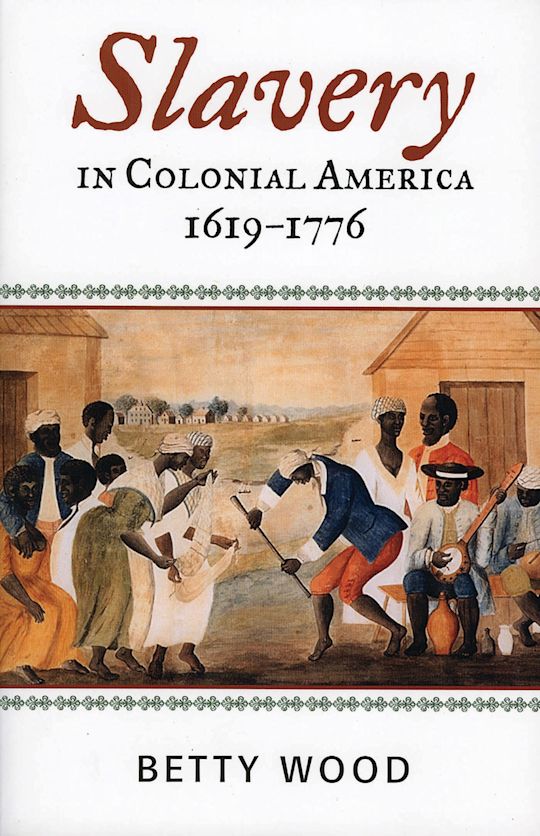
    There are dozens of books on slavery in colonial America, some of which we’ll talk about on this blog. In my opinion, one of the best overviews of the enslavement of Africans and African-Americans in the colonial period is Betty Wood’s Slavery in Colonial America 1619-1776. It is a short book, clocking in at 86 pages of text, which makes it highly readable and easy to assign in classes. Readers get a wealth of information in a concise format, however.

    Wood traces the outlines of American slavery, from its introduction to mainland North American colonies in the early 1600s, the outlines of the Transatlantic slave trade, and efforts to push back against slavery from armed rebellions to arguments in favor of abolition.

    One of the real strengths of Wood’s work is her foucs on the lived experiences of enslaved peoples, and how those varied by region. She breaks down, for instance, the differences between tobacco plantations in the Chesapeake and rice plantations in the Carolinas, showing that slavery functioned in very different ways. In the Chesapeake, slaves worked in gangs for set (daylight) hours. In South Carolina, slaves operated on a task system, which potentially allowed for free time after the day’s set of tasks had been completed. She examines what the potential extra hours and slightly more autonomy allowed slaves on rice plantations to do, from growing gardens and earning extra money. Likewise, she breaks down how slaves in urban environments were employed in a wide variety of tasks, from domestic labor and working on docks to highly skilled trades like blacksmithing. Finally, she examines the small but significant impact of enslaved people in the Northern colonies, which are often overlooked in discussions of American slavery. Since the demands for labor were not as extreme as those in the Chesapeake or Southern colonies, there was less economic need for enslaved or even indentured labor, so most slaves in the Northern colonies worked in urban environments or on small farms. Wood unpacks what these regional patterns meant for things like language retention, cultural practices, religious conversion, and even marriage–finding a spouse in the Northern colonies, for instance, was often more daunting and difficult due to the smaller “dating pool” than in a colony like South Carolina with its thousands of enslaved people living in close proximity to each other.

    While she highlights regional differences and variations in how slavery functioned, and how male and female slaves had different challenges and experiences, Wood is also careful to remind readers that colonial American slavery relied on harsh physical punishment (or the threat of it), and the exploitation of African and African-American labor, regardless of how much perceived opportunity a slave might have had in comparison to others. She walks the fine line between portraying slaves as either victims in a brutally exploitative system or as full of agency in making their own choices and fighting back against the institution of slavery. Instead, she presents the range of challenges, hardships, options, and choices that colonial slaves experienced, discussing difficult topics with sensitivity.

    Wood’s book also has great value in its appendices and attached primary documents, which further enlighten readers on the range of experiences colonial American slaves faced. At 20 years years since its publication, it is still a very solid introduction to colonial American slavery, and as a plus, it is also pretty readily available at both university and public libraries!
  • Colonial Newspaper Advertisements

    Colonial Newspaper Advertisements

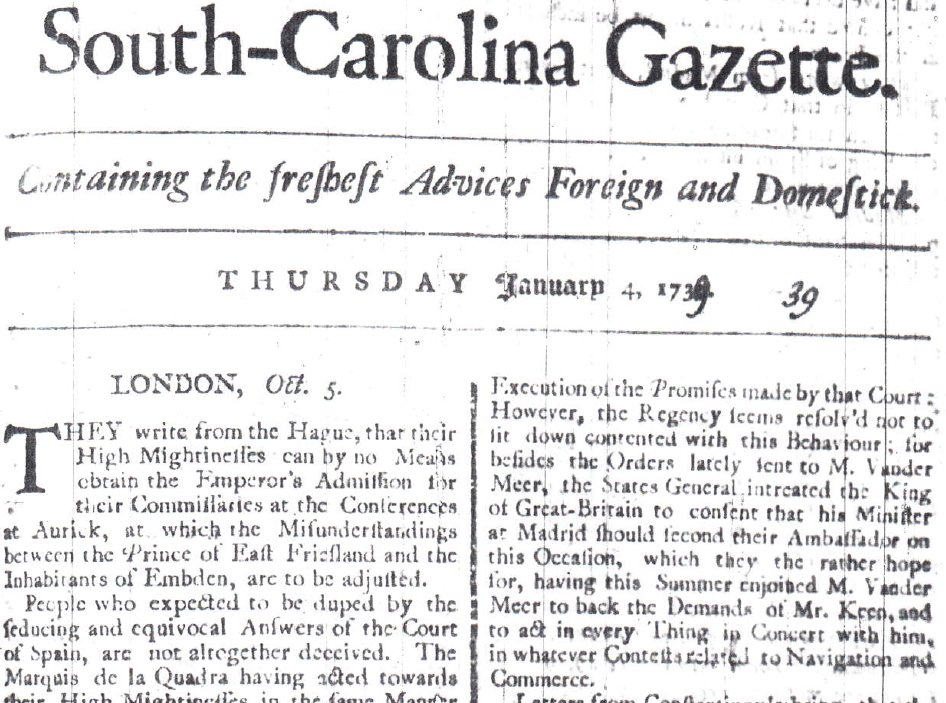
    I recently came across a fantastic online resource called The Adverts 250: An Exploration of Advertising During the Era of the American Revolution, 250 Years Ago This Week. It does pretty much what the title suggests–each day, the site’s authors spotlight an advertisement from a colonial newspaper from 250 years ago that day, with an image of the digitized newspaper advertisement and an explanation of its contents and historical context.

    This is an excellent way to see what types of things were advertised in colonial newspapers, because it shows us not just what items or services were being bought and sold, but also gives us a lot of information about practices like slavery, since many of these advertisements focused on runaway slaves. Indeed, each day, there is a separate post capturing the slave advertisements found in newspapers for that date–here’s the one from August 30, the day I wrote this pot. As the short essay in the post reminds us, these advertisements showed up in colonial newspapers nearly every day, reminding us that the buying, selling, and attempted recapture of human beings was a part of colonial people’s daily realities. The first image on this post is especially jarring, as it lists a teenage boy for sale, but “Also a Horse and Chair.”

    Credit to The Adverts 250 Project. You can find the original post at: https://adverts250project.org/2025/08/30/slavery-advertisements-published-august-30-1775/

    I’m writing this on August 30, 2025, so the advertisement spotlighted today can be found here. In it, an unnamed rider advertises his postal service runin the Pennsyvlania Journal, especially wishing to find customers of the newspaper that he’s advertising in. He promises to deliver their newspaper with all the latest news in the swiftest fashion, as well as any letters. It’s a great look at the fledgling postal service in the American colonies, which was largely privatized and subscription-based. It’s also a good look at how entrepreneurial individuals established and advertised their businesses, especially in cities like Philadelphia. Much of the advertisement is a list of 23 names in 16 eastern Pennsyvlania towns on his proposed route, telling prospective customers where they might leave their names and pick up their newspapers and other mail like religious and political pamphlets (increasingly important in 1775, as hostilities between England and the American colonies heated up). In the absence of established post offices, inns and other businesses served as stopping points for this mail carrier, or “rider.”

    The site has been active since 2016, and each year, they add a new year of newspaper advertisements (so 2016’s year focused on 1766). This is a massive collaborative effort that brings a wealth of historical primary sources to a broader audience–especially students! Undergraduate students are involved in the creation and updating of the site, as well, making it a great example of a large scale, collaborative digital humanities project.

    For more resources, check out:

    Jack Lynch, “‘Sold on Reasonable Terms’: Early American Newspaper Advertisements.”Colonial Williamsburg. https://research.colonialwilliamsburg.org/Foundation/journal/Autumn10/ads.cfm

    “News in Colonial America” (part of a series on The News Media and the Making of America, 1730-1865), American Antiquarian Society. https://collections.americanantiquarian.org/earlyamericannewsmedia/exhibits/show/news-in-colonial-america

  • Color in the Colonial World

    Color in the Colonial World

    When you think about color in the colonial world, what hues come to mind?

    For most of us, it’s probably “earth” or muted colors, things that mimic colors found in nature. And it makes sense that we think of the colonial world as less vibrant than our own–they certainly had fewer chemical plants to create artificial dyes, and the fabrics and paints we have from the 1600-1700s appear more muted, so that must be how things were, right?

    Just as black and white (or even early color) photographs don’t accurately depict the colors of the late 19th and early 20th centuries, the fabrics and painted furniture we have from the 18th century don’t look exactly as they did when they were new. Time, sunlight, and environmental exposure often fade colors, so what we see now are muted versions of the original colors. More accurate scientific methods of chemical and color analysis have enabled scientists, historians, and art historians to more closely match the colors of the colonial era, and the results are vibrant.

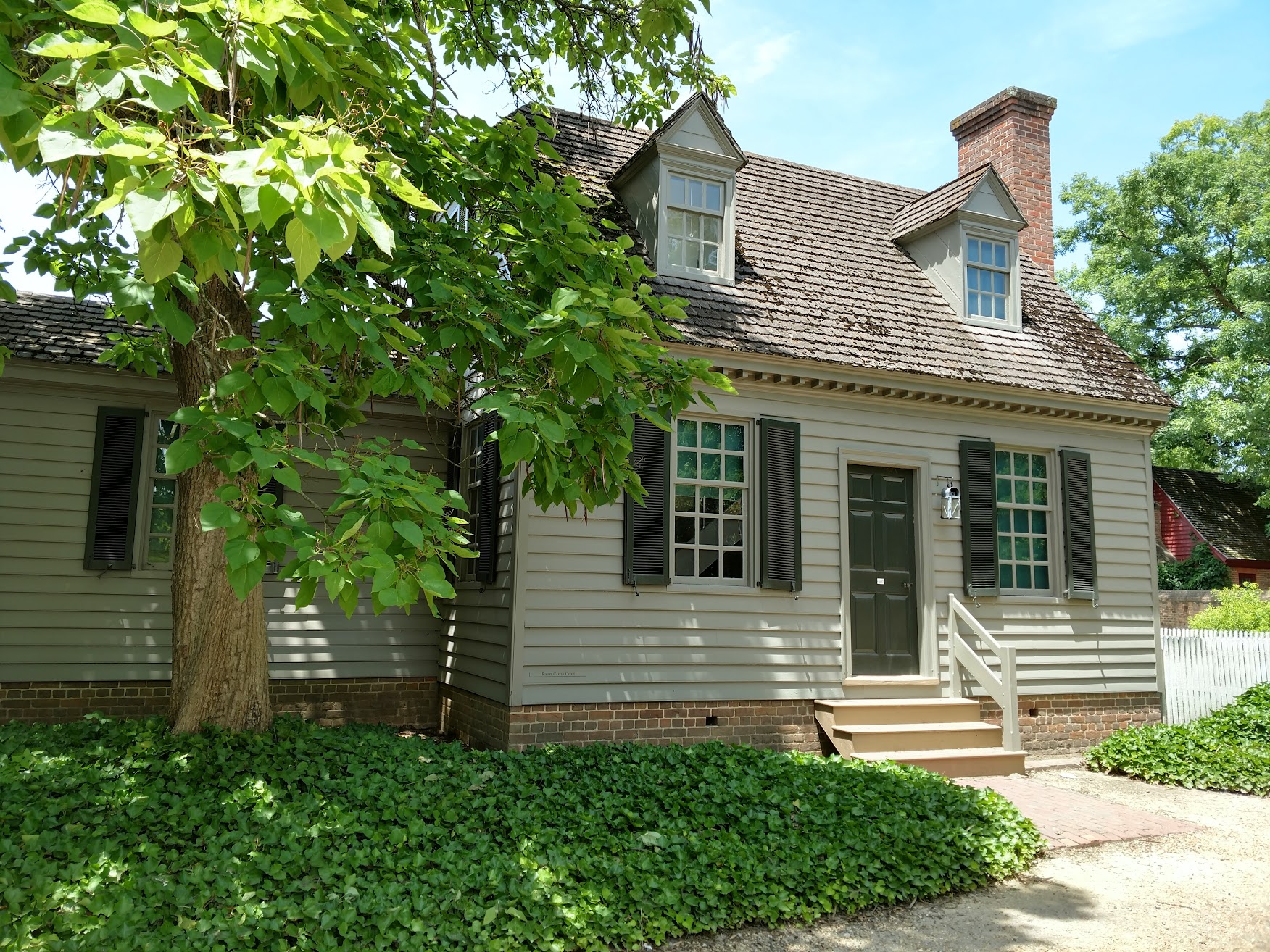
    There is a really interesting collaboration between the Colonial Williamsburg Foundation and the paint company Benjamin Moore to create the Williamsburg Color Collection, a 144 color palette of colors inspired by colonial Williamsburg. Some of these colors match the earthy, muted assumption, like these:

    Benjamin Moore colonial Williamsburg colors

    Others are much more vivid, like these:

    Colonial Williamsburg colors

    The more vivid colors tended to be found in wealthy homes, where people had more money to spend on expensive dyes and hues, and even in those homes, the most vibrant colors tended to be in the public areas of the house, where they would impress the most guests. It wouldn’t make sense to waste your money on painting your bedroom fireplace bright green because very few people would see it–you would instead use that money to paint your parlor fireplace, where you would entertain guests and have them turn green with envy over your gorgeous fireplace mantel.

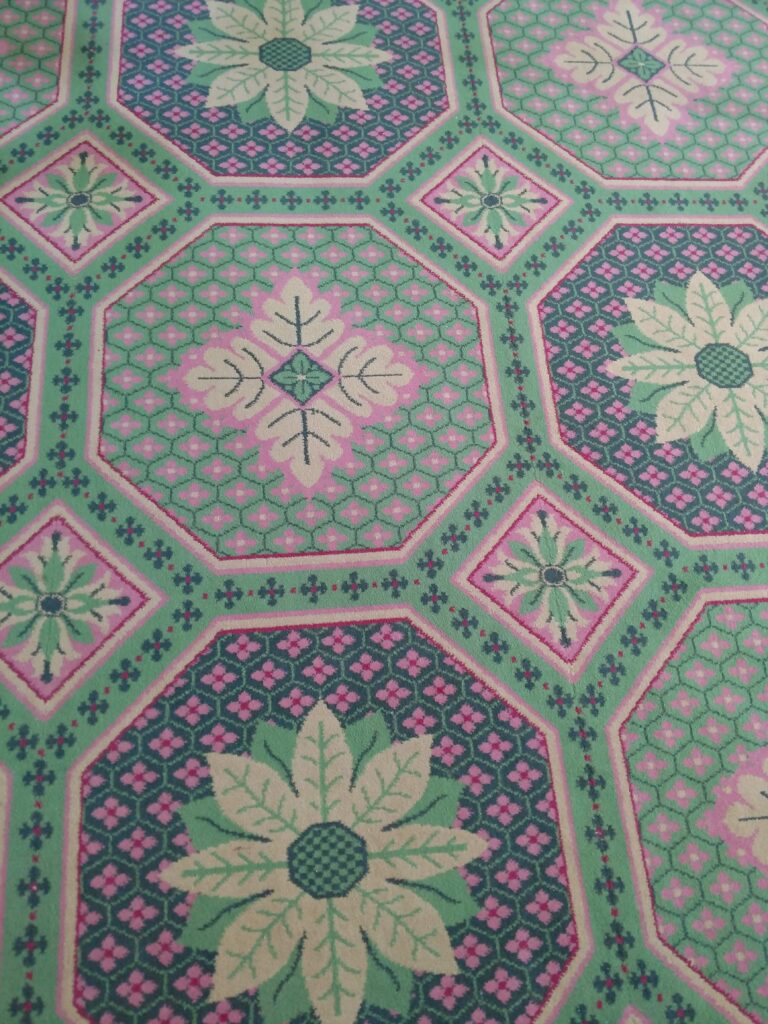
    Fabrics could also be vibrant. Two of my favorite examples of bright colors come from carpets in the Governor’s Palace in colonial Williamsburg. Even today, these would be considered eye-catching floor coverings! They were extremely expensive, not just because of their bright colors, but because they were handmade.

    For some further reading, check out this article about the surprising colors of the colonial world and this collection of historic colors.