Category: Uncategorized

  • Color in the Colonial World

    Color in the Colonial World

    When you think about color in the colonial world, what hues come to mind?

    For most of us, it’s probably “earth” or muted colors, things that mimic colors found in nature. And it makes sense that we think of the colonial world as less vibrant than our own–they certainly had fewer chemical plants to create artificial dyes, and the fabrics and paints we have from the 1600-1700s appear more muted, so that must be how things were, right?

    Just as black and white (or even early color) photographs don’t accurately depict the colors of the late 19th and early 20th centuries, the fabrics and painted furniture we have from the 18th century don’t look exactly as they did when they were new. Time, sunlight, and environmental exposure often fade colors, so what we see now are muted versions of the original colors. More accurate scientific methods of chemical and color analysis have enabled scientists, historians, and art historians to more closely match the colors of the colonial era, and the results are vibrant.

    There is a really interesting collaboration between the Colonial Williamsburg Foundation and the paint company Benjamin Moore to create the Williamsburg Color Collection, a 144 color palette of colors inspired by colonial Williamsburg. Some of these colors match the earthy, muted assumption, like these:

    Benjamin Moore colonial Williamsburg colors

    Others are much more vivid, like these:

    Colonial Williamsburg colors

    The more vivid colors tended to be found in wealthy homes, where people had more money to spend on expensive dyes and hues, and even in those homes, the most vibrant colors tended to be in the public areas of the house, where they would impress the most guests. It wouldn’t make sense to waste your money on painting your bedroom fireplace bright green because very few people would see it–you would instead use that money to paint your parlor fireplace, where you would entertain guests and have them turn green with envy over your gorgeous fireplace mantel.

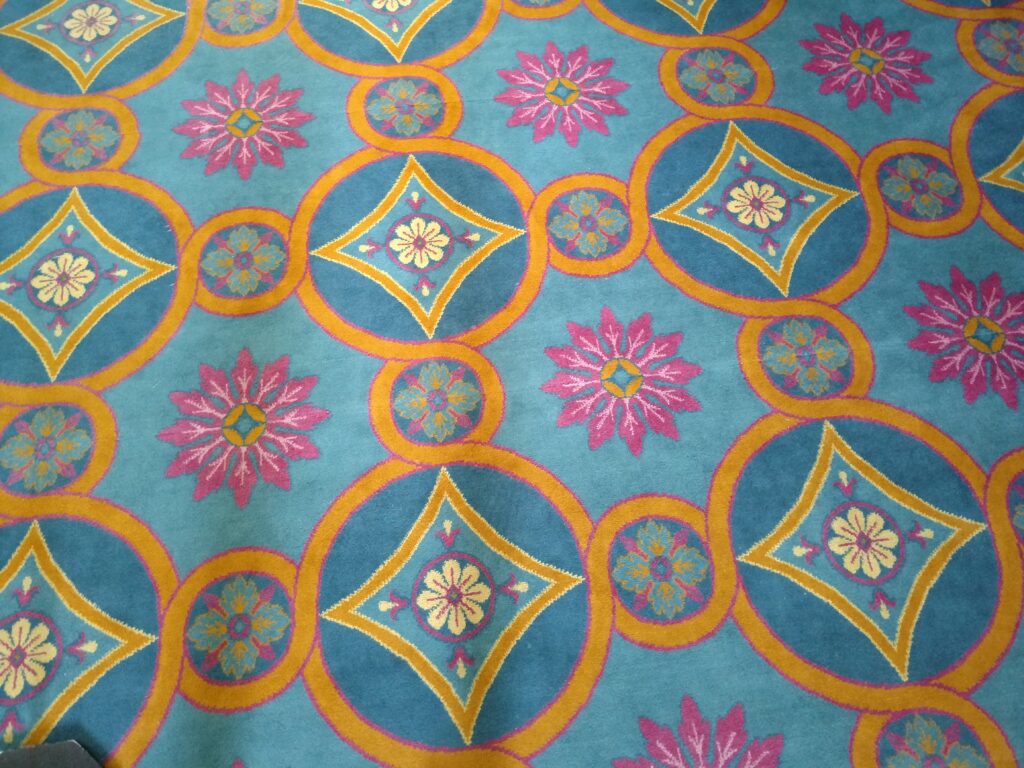
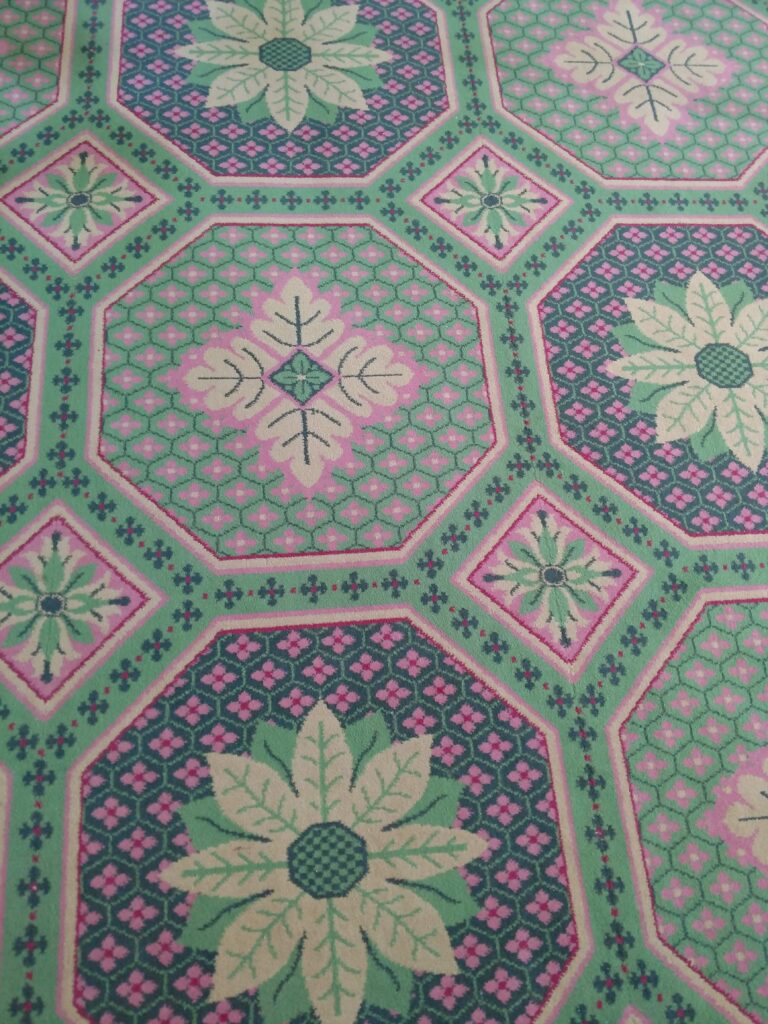
    Fabrics could also be vibrant. Two of my favorite examples of bright colors come from carpets in the Governor’s Palace in colonial Williamsburg. Even today, these would be considered eye-catching floor coverings! They were extremely expensive, not just because of their bright colors, but because they were handmade.
    For some further reading, check out this article about the surprising colors of the colonial world and this collection of historic colors.

  • Guess the Animal

    Guess the Animal

    I think it’s really easy for us in the 21st century to look back at the colonial period and forget most of the people who lived through it were experiencing tremendous changes to their lifestyles, homes, diets, and surroundings. Moving from Europe or Africa to the Americas was a huge shift in the types of plants and animals you saw, the foods that readily grew, and the types of homes you might build. American Indian inhabitants also experienced massive changes as newcomers arrived, with new diseases, animals, foods, lifestyles, and religions.

    In the classroom, one of the ways I like to illustrate just how different everything was for colonial peoples is to show my students this description of an animal from Samuel Purchas, a 1600s British clergyman and prolific chronicler of other peoples’ travels:

    Samuel Purchas, Purchas His Pilgrimage, 2nd ed. p. 732. Quoted in Karen Ordahl Kupperman, Pocahontas and the English Boys: Caught between Cultures in Early Virginia (New York: New York University Press, 2019), p.83.

    Any guesses? I’ll give you a few hints. This is a real animal, and one that is still very much alive and common across the Southeast today. All of my students from Georgia have absolutely seen this animal, typically at least once a year.

    Were you close? This description doesn’t immediately bring the animal they’re talking about to mind (at least it didn’t for me!), and I think that’s kind of the point. European colonists were trying to make sense of their new world, and when they saw new animals, they tried to describe them based on animals they were already familiar with–whether that was size, physical features, or other attributes. It’s one of the things I find most fascinating about the colonial era–everyone was dealing with new, strange things and trying to make sense of them.

  • Welcome!

    Welcome!

    Welcome to the Colonial Americas blog! I’m excited to explore the people, events, and histories of the 1500s-1700s with you!

    I’ll post bi-weekly about a topic that I’ve been reading and researching about. Sometimes that will be a book I recommend. Sometimes it will be a topic that comes up in class, or a question I’ve gotten. Sometimes it will be a spotlight on a historic site. And sometimes, it will be something I just find interesting and want to talk about! I love the colonial era and am always finding new and interesting people and events to learn more about.

    If you want to submit a question, please contact me!