Coming Soon: ARC-GIS Map!
Cherokee Towns
These towns played pivotal roles in the Anglo-Cherokee War.
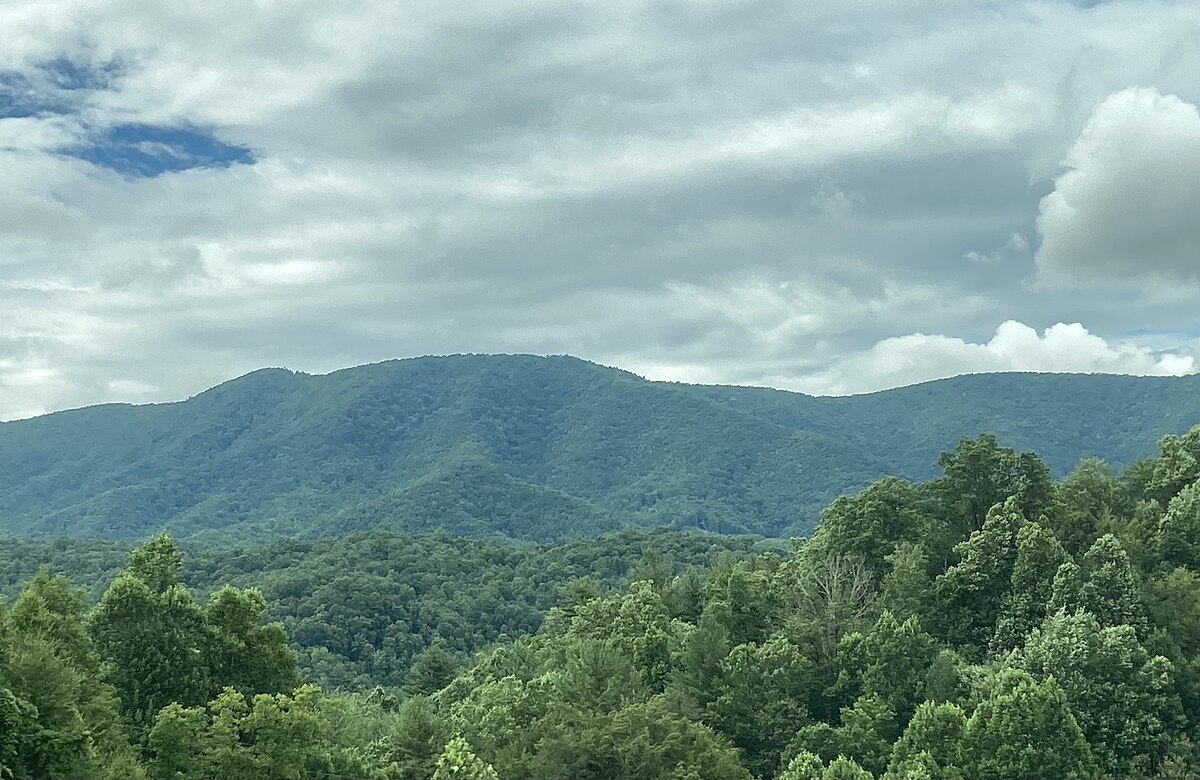
Chota (Overhill)
The Overhill “Beloved Town” of Chota was arguably the most important Cherokee town in the 1750s-1760s.
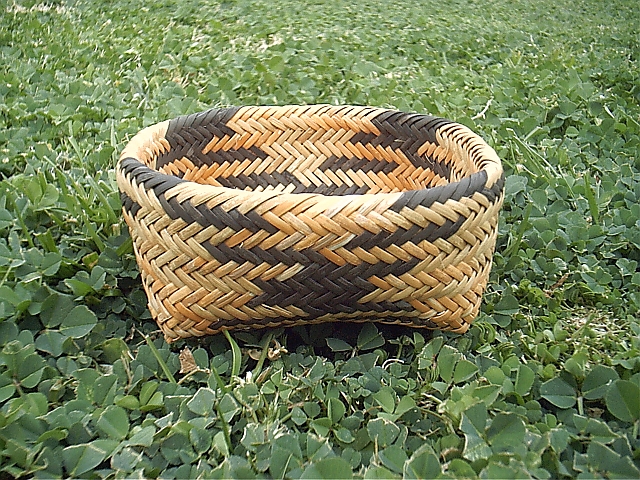
Echota (Middle)
Echota was a Middle town and the site of one of the major battles of the Cherokee War in 1760.
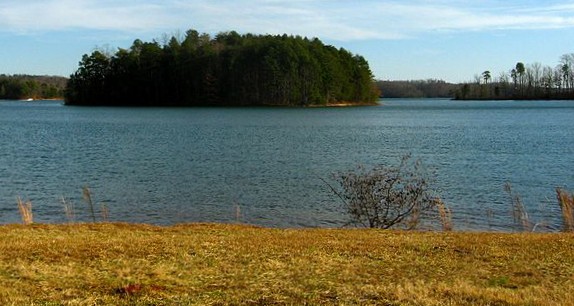
Keowee (Lower)
Keowee was the Lower town across the Keowee River from Fort Prince George and one of the easternmost Cherokee towns.
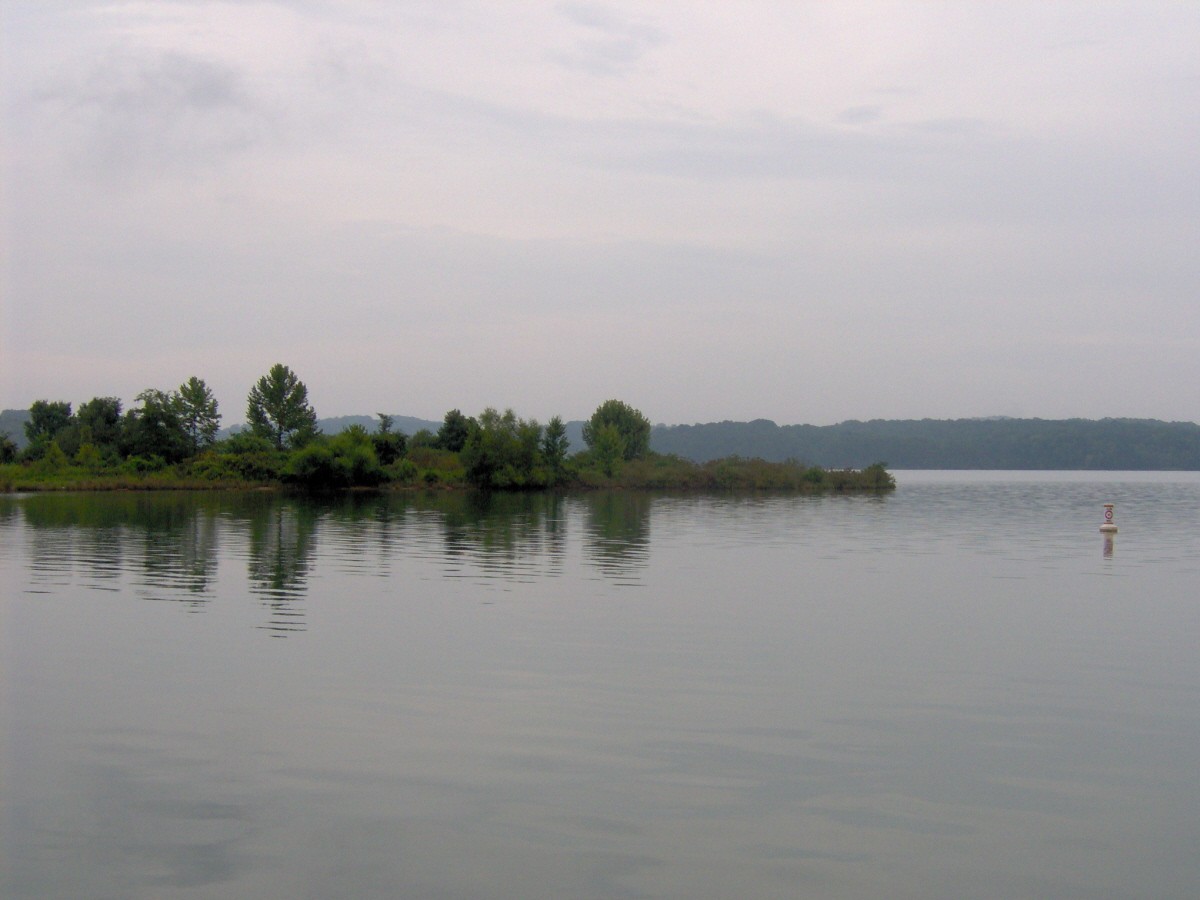
Tanasee and Tomotley (Overhill)
Tanasee and Tomotley were the Overhill towns closest to Fort Loudoun.
British Colonial Forts
These colonial forts, most of which were built in Cherokee territory, saw military action during the Anglo-Cherokee War.
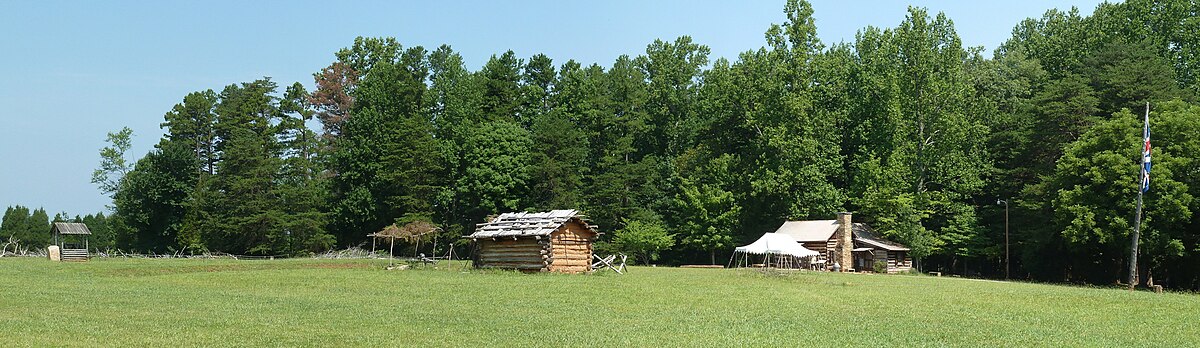
Fort Dobbs
Fort Dobbs was located in North Carolina and served as an important fort protecting the northern Carolina borders.
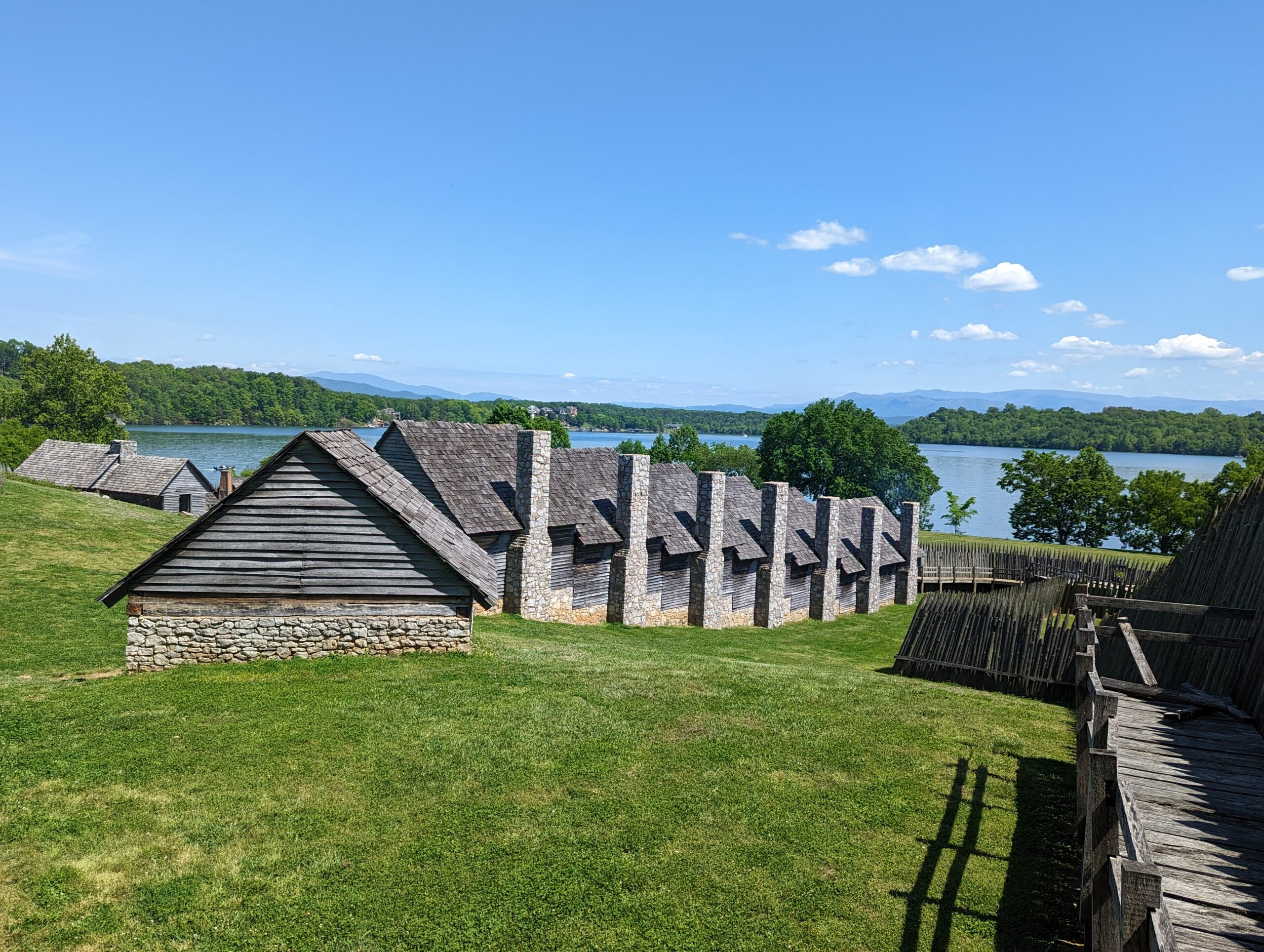
Fort Loudoun
The more western of South Carolina’s two forts in Cherokee territory, Fort Loudoun was home to men, women, Cherokees, soldiers, and civilians before its surrender in August 1760.
The more eastern of South Carolina’s two forts in Cherokee territory, Fort Prince George was the site of multiple negotiations, attacks, and army layovers in the Anglo-Cherokee War.

A trading post, Ninety-Six also had a small fortification for colonists in the surrounding area. It was widely acknowledged as the westernmost South Carolina settlement, besides the forts.
British Colonial Sites
These colonial cities and towns were sites of negotiation, diplomacy, trade, and more.
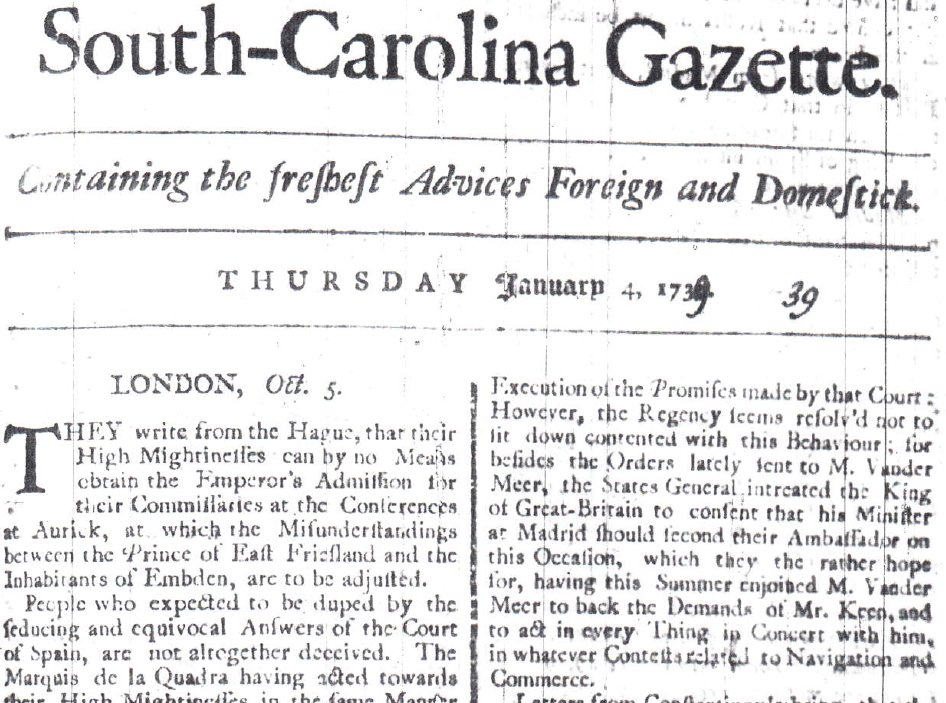
Charlestown
The capital of colonial South Carolina, Charlestown was the seat of the colony’s government. Cherokee headmen often came to the city for diplomatic negotiations.
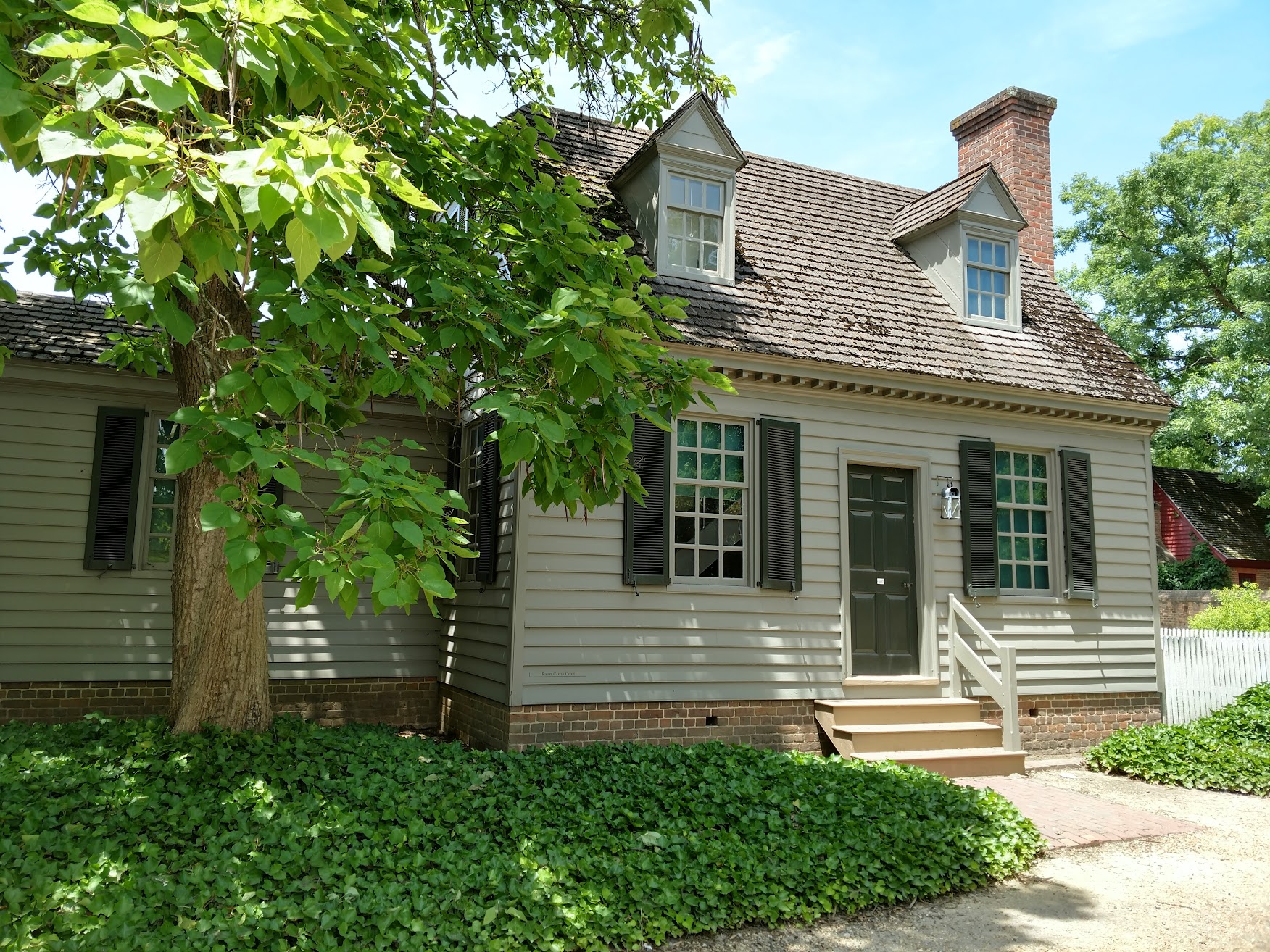
Williamsburg, VA
The capital of colonial Virginia, Williamsburg was the seat of the colony’s government. Cherokee headmen often came to the city for diplomatic negotiations.

Winchester, VA
During the months of preparations for his campaign against Fort Duquesne, General John Forbes headquartered his army–including its Cherokee allies–near Winchester.
French Colonial Sites
These French-occupied sites were visited by Cherokees during the Anglo-Cherokee War.
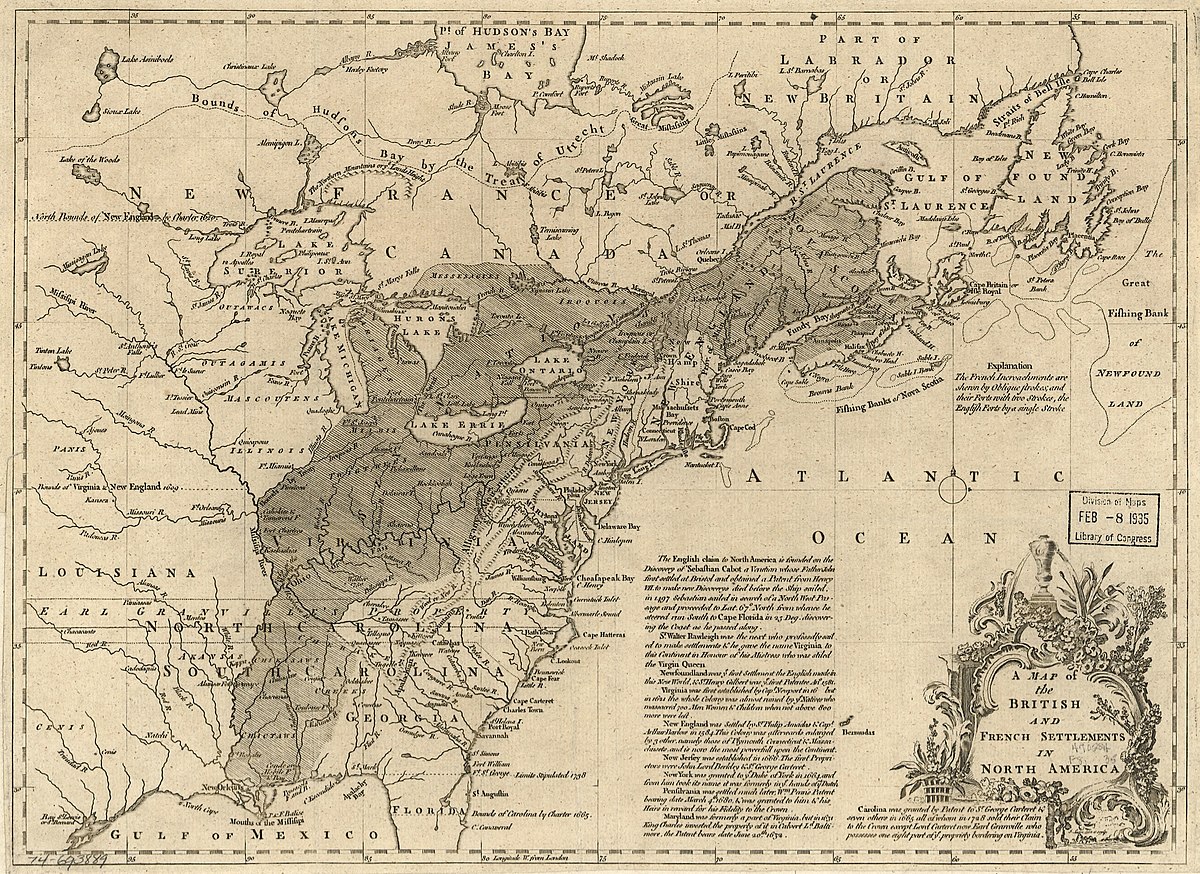
French Forts
Several (mostly unnamed or misnamed in British records) small French forts along the Tennessee and Ohio Rivers were the sites of Cherokee attacks and skirmishes in the early phases of the Seven Years’ War.
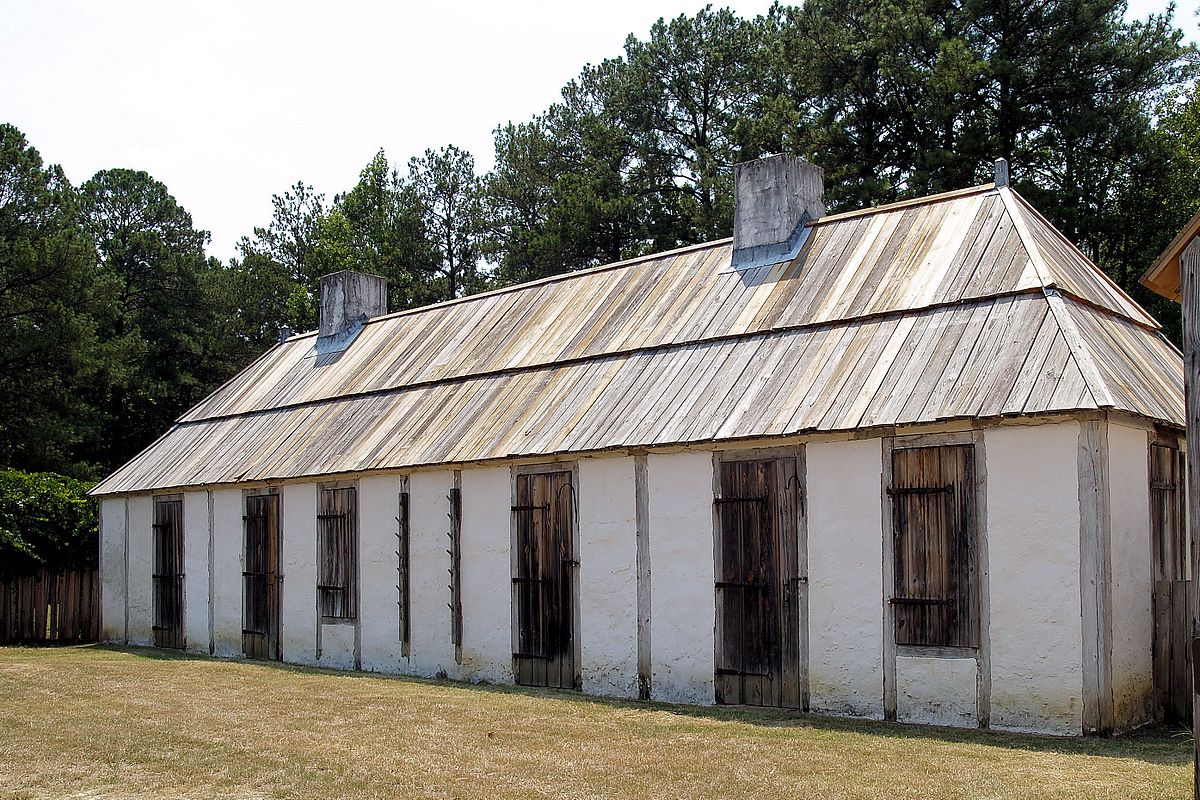
Fort Toulouse
Fort Toulouse was the easternmost French fort in the Southeast, in today’s central Alabama. Cherokee headmen visited for trade, diplomatic negotiations, and as a layover on their journeys to New Orleans.
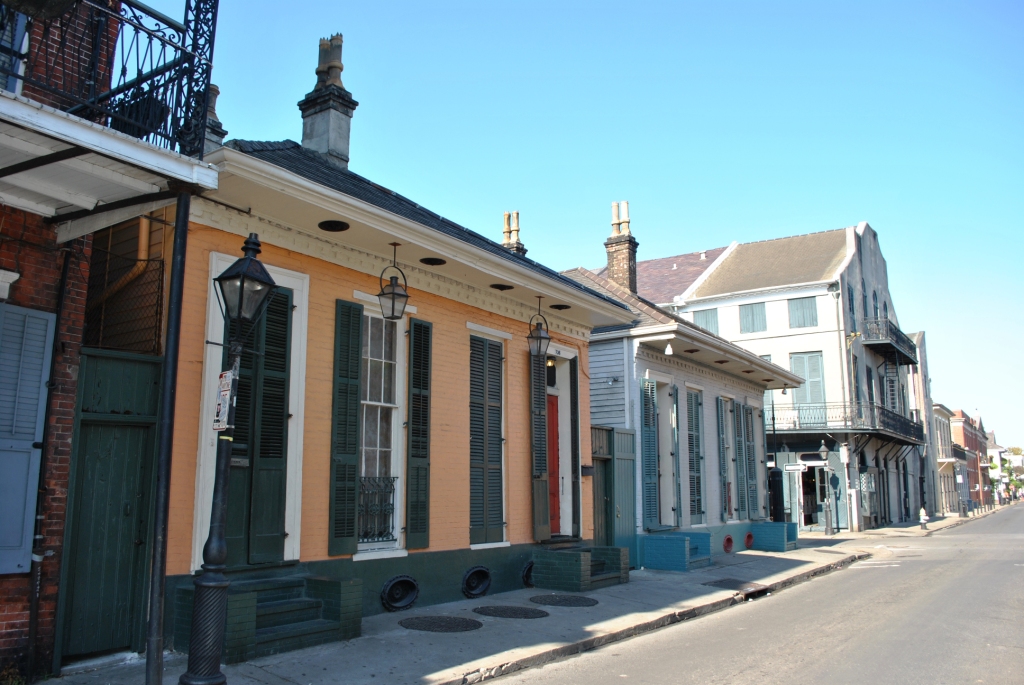
New Orleans
The capital of colonial Louisiana, New Orleans the seat of the colony’s government. Cherokee headmen periodically came to the city for diplomatic negotiations.