A Who’s Who of the Anglo-Cherokee War
One of the challenges in researching 18th century Southeastern Native American history is that many of the major participants left behind no written records, because few Native Americans fluently read or wrote in European languages (or their own languages!) before the 1800s. Nearly all the written documentation from the Anglo-Cherokee War came from British and South Carolina observers, largely male, who were inconsistent in their descriptions of Native Americans, and inconsistent in whether or not they named the people they spoke about (the spelling of Native American names was even more inconsistent!) Most of the individuals spotlighted below are male, some Cherokee, and some British or colonial. Nearly all of them were also politically prominent. I have tried to highlight the contributions of other groups–women, low-ranking soldiers, children–with composite biographies, in the absence of an abundance of information about any one individual from those demographic groups.
Cherokee Individuals
These biographies highlight the lives and accomplishments of several prominent Cherokee politicians and military leaders.
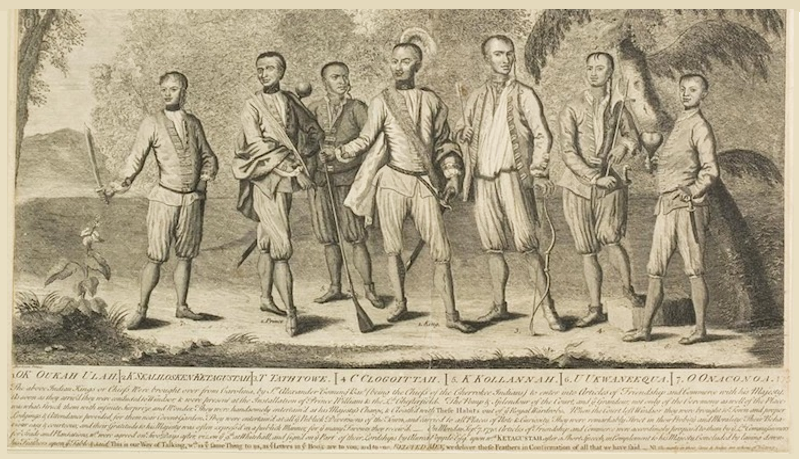
Attakullakulla/Little Carpenter (ca. 1700-1780)
Attakullakulla was an exceptionally well traveled Cherokee headman who was arguably the most important Cherokee politician during the Anglo-Cherokee War.
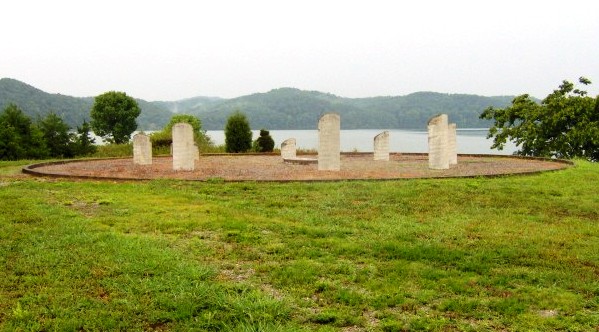
Connecorte/Old Hop (ca 1690s-1760)
Connecorte was a “Beloved Man” or most prominent headman of the most important Overhill Cherokee town, Chota, during the 1750s.

Oconostota was one of the most prominent war leaders from Overhill towns, and also a political leader during the Anglo-Cherokee War.
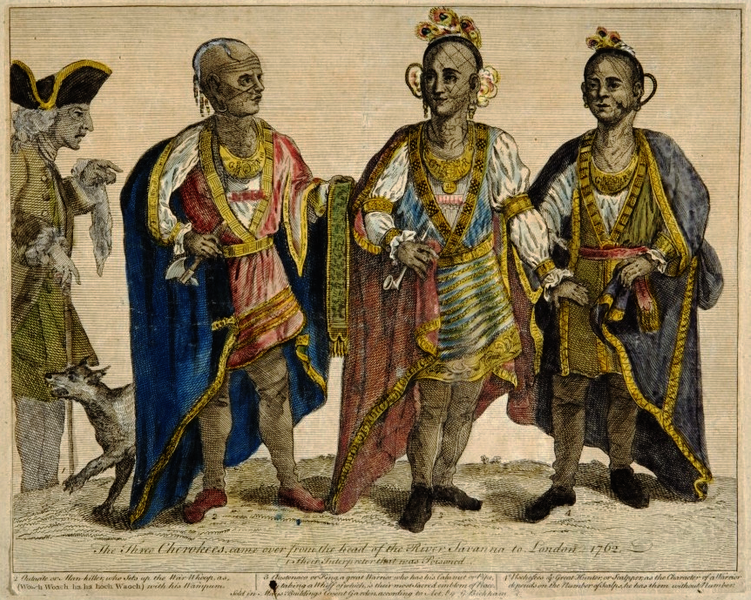
Ostenaco (ca. 1710-1780)
Ostenaco was a prominent political leader during the Anglo-Cherokee War who traveled to London in the war’s aftermath.
Colonial Figures
These biographies highlight the lives and accomplishments of several prominent colonial political and military leaders.

Richard Coytmore (?-1760)
Richard Coytmore was the commander of Fort Prince George who died during an attack on that fort.
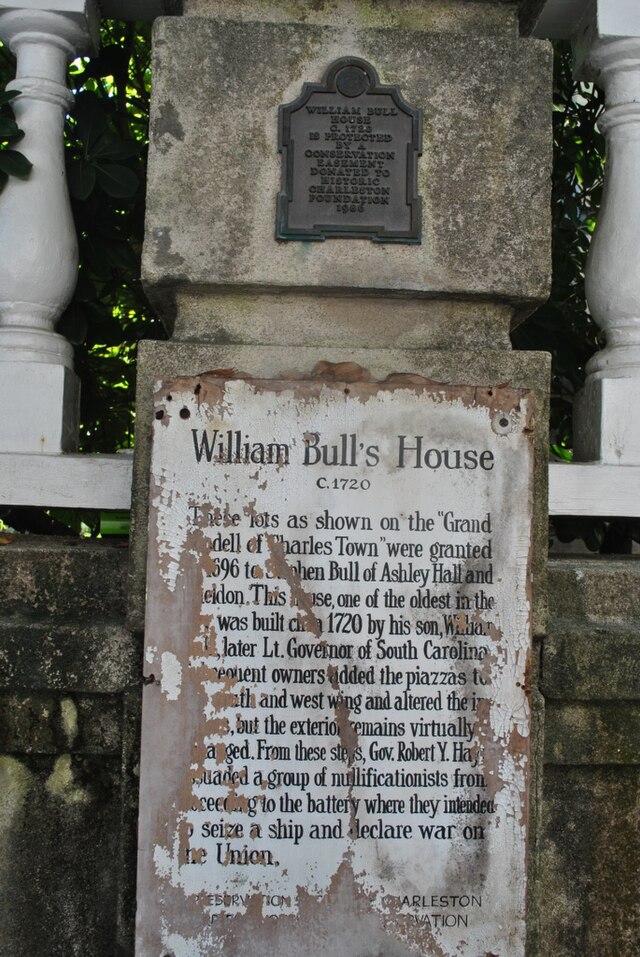
Bull was a lifelong South Carolina politician and served as lieutenant governor and then acting governor during the Anglo-Cherokee War.
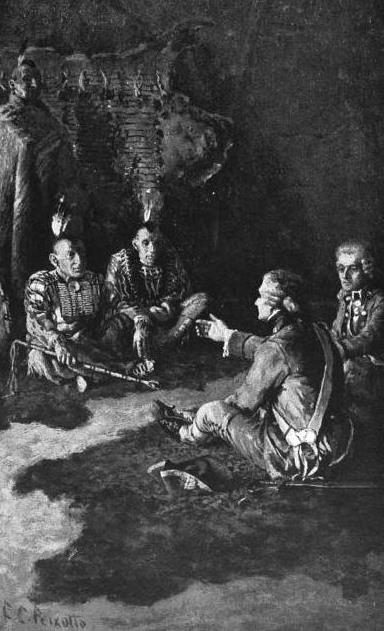
Raymond and Paul Demere (Raymond: 1702-1766; Paul: ?-1760)
The Demere brothers were the commanders of Fort Loudon. Raymond oversaw its construction, while Paul was commander for most of its history, including during its surrender.

William Henry Lyttelton (1724-1808)
Lyttelton was the royal governor of South Carolina in the early years of the Anglo-Cherokee War and is often blamed for escalating tensions into full-blown war.
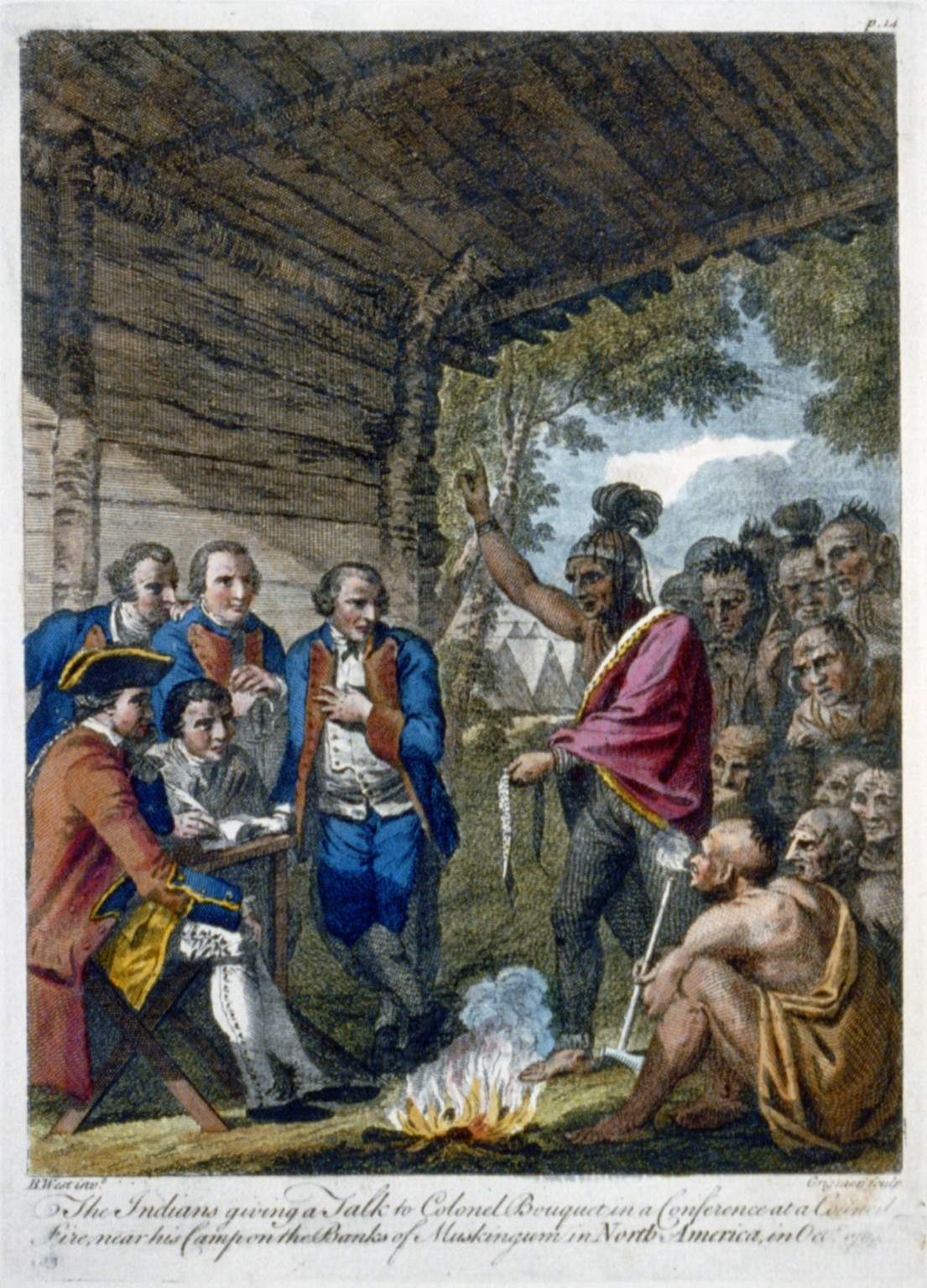
John Stuart (1718-1779)
John Stuart was an officer at Fort Loudoun during the Anglo-Cherokee War; he later became Southern Superintendent for Indian Affairs.
British Military Figures
These biographies highlight several prominent officers in the British military involved in the Anglo-Cherokee War.

General John Forbes (1707-1759)
John Forbes led the successful expedition against French Fort Duquesne in 1758. His expedition included several hundred Cherokee allies, but also set the stage for the tensions that boiled over into the Anglo-Cherokee War.
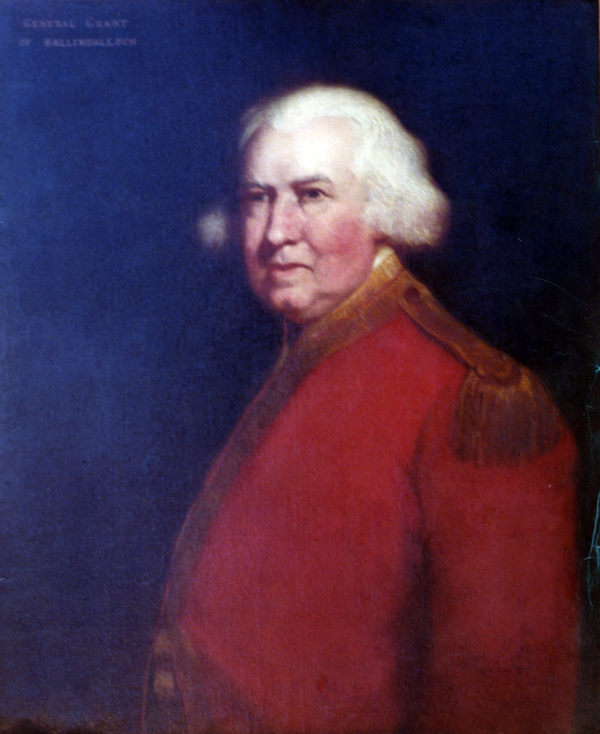
James Grant (1720-1806)
James Grant was involved in three campaigns alongside–and later against–Cherokees during the Seven Years’ War. He later became the governor of Florida.
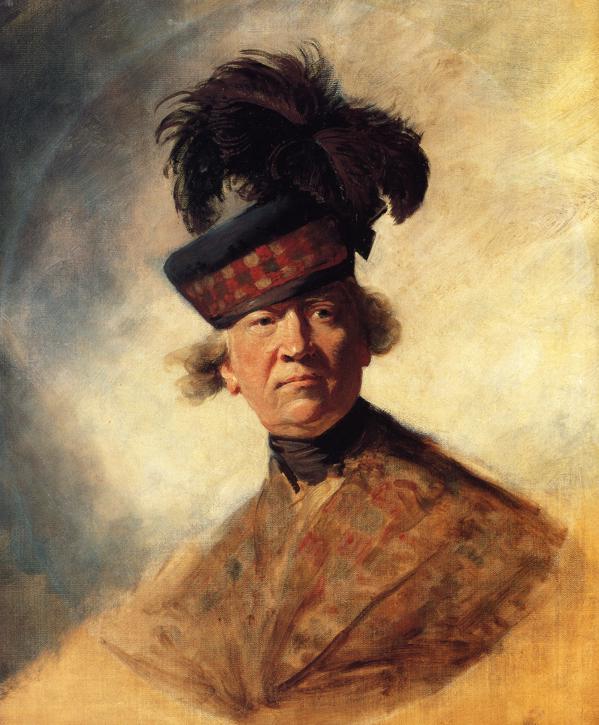
Archibald Montgomery (1726-1796)
Archibald Montgomery led the first expedition into Cherokee territory in 1760.
Composite Biographies
These biographies look at demographic groups for which we don’t have a ton of information about individuals, but we do have enough to create a composite biography of what life might have been like for these people.
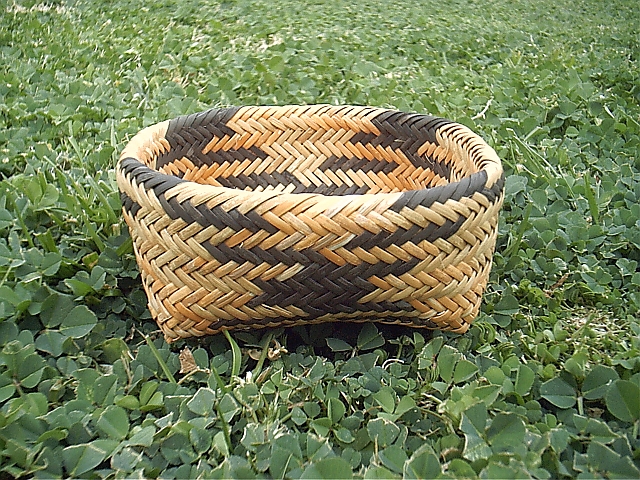
Cherokee Women
What were women doing during the Anglo-Cherokee War? What roles did they play in the conflict? Turns out, women were very active participants!
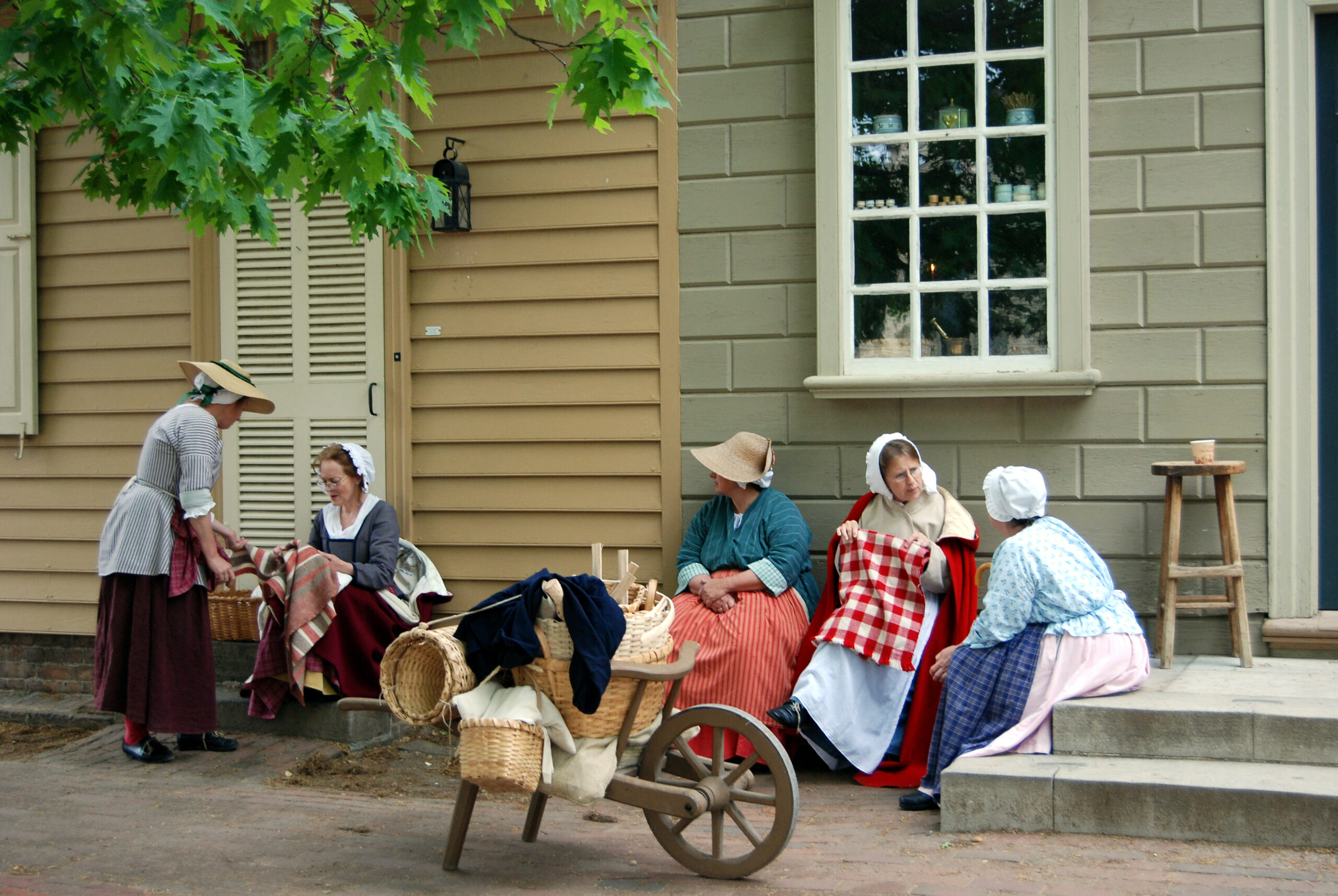
Colonial Women in Cherokee Territory
It wasn’t just men who lived in colonial forts, trading posts, and other spaces in Cherokee territory.
Children
Colonial children also lived in Cherokee territory.